Barcode Laser Marking Machine for Permanent Product Identification
A barcode is useful only when it can be scanned consistently throughout the product’s working life. Labels may peel, ink may smudge and printed codes may become difficult to read after handling. A barcode laser marking machine creates the code directly on a suitable product, component or surface without using ink or ribbon.
Laser marking can be used for 1D barcodes, QR codes and Data Matrix codes, along with serial numbers, logos, batch numbers and part identification. The laser changes the surface or removes a coating to create contrast. The final result depends on the material, laser source, code size, surface finish, speed and marking method.
What is a barcode laser marking machine?
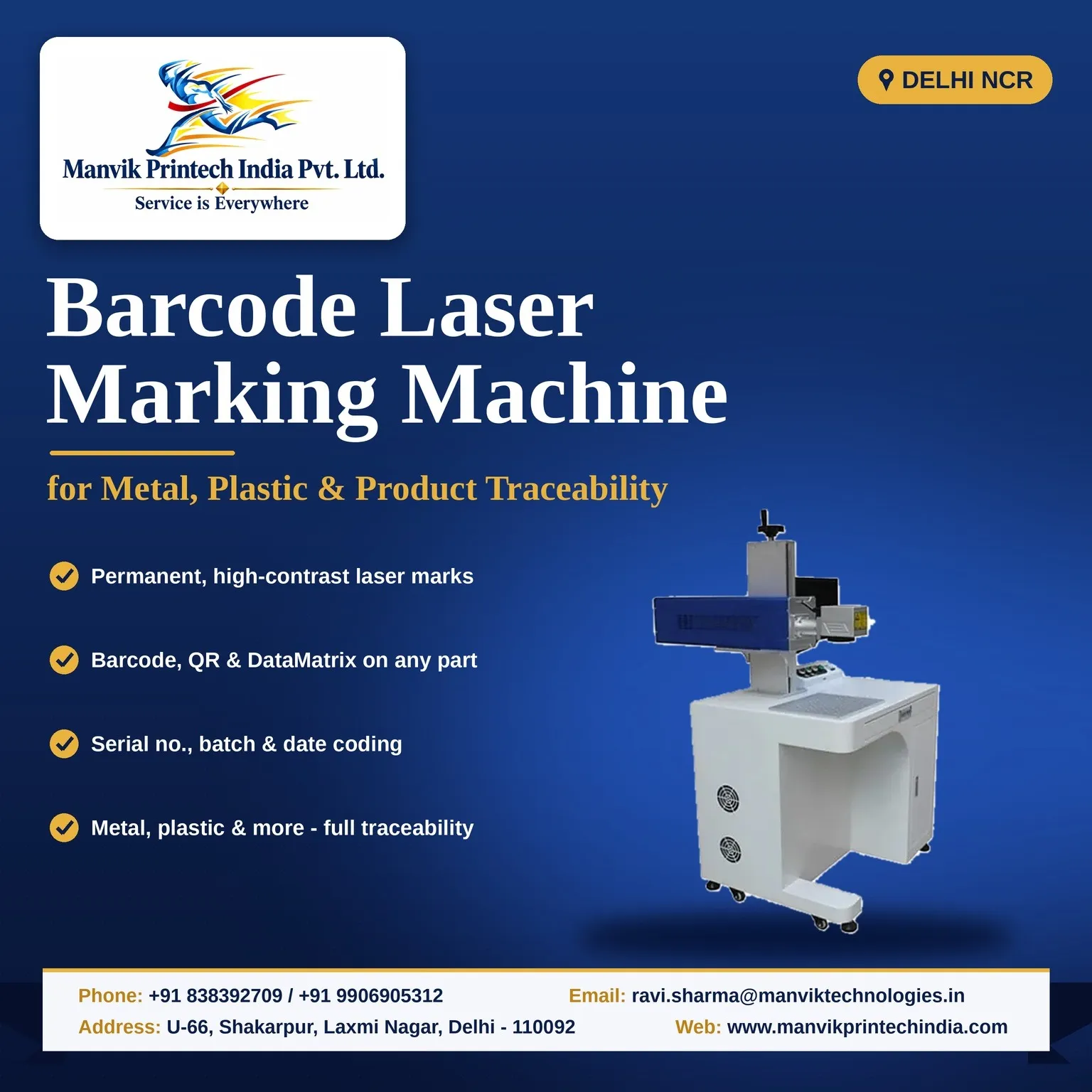
A barcode laser marking machine is an industrial laser system that marks machine-readable information directly onto a product or package.
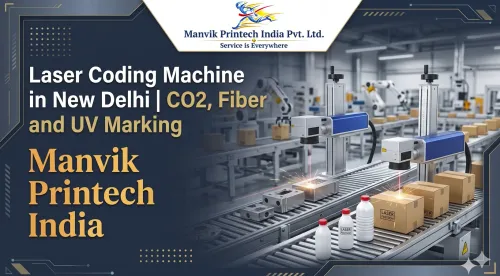
The system may use:
- Fiber laser for many metal components and selected plastics.
- CO₂ laser for cartons, paper, glass, films and suitable non-metal packaging.
- UV laser for selected plastics, glass, electronics and heat-sensitive materials.
The machine is controlled by software. It can mark fixed information or variable data such as sequential serial numbers, production batches and product-specific codes. A sensor, encoder, fixture or conveyor connection can be added when marking must happen automatically on a production line.
Which codes can it mark?
Depending on the machine and software, laser marking can be used for:
- Code 128 and other 1D barcodes.
- EAN and UPC codes.
- QR codes.
- GS1 QR codes.
- Data Matrix and GS1 DataMatrix codes.
- Serial numbers.
- UID codes.
- Part numbers.
- Batch and lot numbers.
- Product identification codes.
The code must be large and clear enough for the intended scanner. A smaller code is not always better. If the marking area is limited, the data length, module size, contrast and scanner distance should be considered together.
For direct part marking, the barcode is marked on the part rather than applied as a separate label.
Why use laser marking for barcodes?
Direct marking without labels
A laser can place the barcode directly on a metal part, anodised plate or suitable plastic surface. This may reduce dependence on adhesive labels in applications where the product needs its identity to remain attached to the part.
Resistance to handling
A properly developed mark may remain readable after rubbing, cleaning or routine handling. The durability depends on whether the laser alters the base material, removes a coating or creates only a light surface mark.
Variable serialization
Software can create sequential or product-specific codes. This is useful for traceability, component identification and production records.
Small marking areas
Laser systems can mark compact barcodes and 2D codes. The available area still needs to accommodate a code that meets the required scanning conditions.
No wet ink
The process does not depend on ink drying on the surface. It still requires optics maintenance, safety controls, correct ventilation or extraction where applicable, and trained operation.
Which laser is suitable?

This table is only a starting point. Plastic composition, colour, coating and additives can change the marking result. A sample test on the actual product should be completed before selecting the laser source.
Applications across industries
Automotive and engineering
Automotive and engineering companies may mark serial numbers, part numbers, Data Matrix codes and logos on engine parts, shafts, bearings, tools, brackets and assemblies.
The code can connect the part to its batch, inspection record or customer order. If the component is later painted, machined or cleaned, the marking stage should be planned around those operations.
Electrical and electronics
Electrical panels, connectors, terminals, housings and electronic components may require small identification marks. A 2D code can carry more information than a simple text line within a limited area.
The surface must be tested for contrast, heat effect and scanning performance.
Pharmaceutical and medical products
Medical devices, instruments, selected packaging and components may need permanent identification or traceability codes. Code verification and cleaning resistance may be important parts of the application evaluation.
The required standard and verification method should be confirmed by the manufacturer for the specific product.
Tools and metal products
Tools, dies, fasteners, valves, fittings and machine parts may need a brand logo, grade, model number or serial number. A fiber laser is often considered for these applications.
Packaging and FMCG
CO₂ or UV laser systems may be evaluated for barcodes and QR codes on cartons, bottles, films, labels and other packaging materials. Inkjet technology may be more suitable where the surface, colour or packaging process makes laser marking unsuitable.
Why do barcodes fail after laser marking?
A laser-marked barcode can fail for several reasons:
- The code is too small.
- Contrast is insufficient.
- The surface is reflective.
- The part is curved.
- The marking is distorted by product movement.
- The quiet zone around the barcode is missing.
- The code data is incorrect.
- The scanner is unsuitable for the mark.
- The code is damaged during cleaning or finishing.
Do not approve a code only because it looks sharp to the eye. Test it with the scanner or verifier that will be used in production, warehouse or distribution.
GS1 guidance states that barcode verification measures symbol quality and should follow the relevant standards, including appropriate lighting, aperture and angle conditions for 2D symbols.[gs1][gs1]
Barcode verification and traceability
A barcode laser marking system should be evaluated as part of the complete traceability process.
Check:
- Data accuracy.
- Code type.
- X-dimension or module size.
- Print or mark contrast.
- Quiet zone.
- Mark position.
- Scanner compatibility.
- Code grade, where formal verification is required.
- Resistance to handling and cleaning.
- Database or serial-number connection.
For high-volume or regulated applications, an inline camera or barcode verifier may be used to reject products with missing or unreadable codes. The exact system depends on line speed and production requirements.
How to choose a barcode laser marking machine
Before requesting a quotation, provide:
- Product or component sample.
- Material and grade.
- Surface finish, coating and colour.
- Barcode or QR-code artwork.
- Data length and code type.
- Available marking area.
- Required mark appearance.
- Production speed.
- Product shape and movement.
- Manual, fixture-based or online operation.
- Scanner or verifier specification.
- Cleaning, rubbing or chemical-exposure conditions.
Ask for a sample report containing:
- Marked product photograph.
- Code readability result.
- Scanner or verifier result.
- Cycle time.
- Laser source used.
- Lens or marking-field information.
- Recommended production settings.
- Safety and extraction requirements.
Laser marking versus inkjet printing
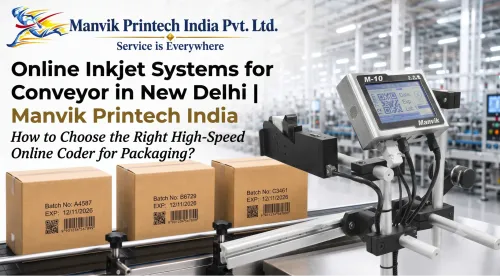
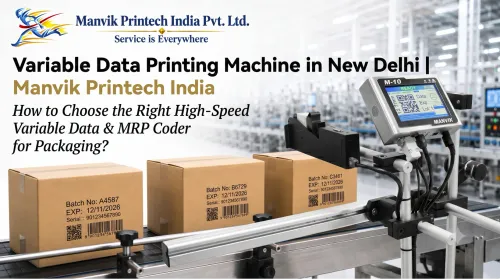
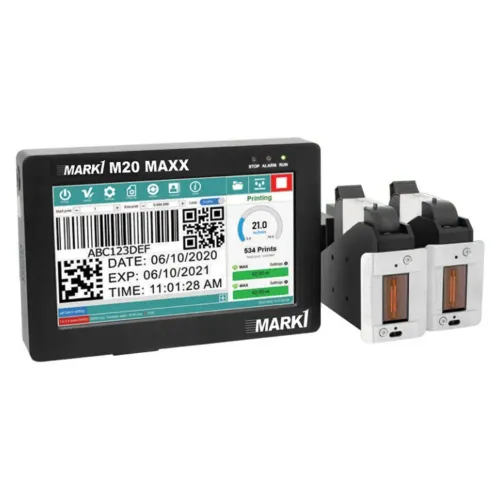
Laser marking is often considered when the code needs to be placed directly on a component or when ink and labels create problems. Inkjet may be more suitable for changing batch and date information on packaging, especially where colour, material or line conditions favour liquid ink.

The correct technology depends on the product and the purpose of the code.
Request a barcode marking test
Before purchasing a barcode laser marking machine, test the actual product. Share the material, code type, required data, marking area and production speed.
The test should confirm:
- Whether the laser creates enough contrast.
- Whether the code scans reliably.
- Whether the mark remains readable after handling.
- Whether the product surface is damaged.
- Whether the required line speed is practical.
- Whether extraction and guarding are required.
A sample evaluation can also determine whether fiber, CO₂, UV, TIJ or CIJ technology is more appropriate.
FAQs
Can a laser marking machine mark barcodes?
Yes. Laser systems can mark 1D barcodes, QR codes and Data Matrix codes when the material, code size, contrast and scanner requirements are suitable.
Which laser is best for metal barcodes?
Fiber laser is commonly evaluated for barcodes and 2D codes on stainless steel, aluminium, mild steel, brass and other metal parts.
Can laser marking be used on plastic?
Some plastics can be marked with fiber, CO₂ or UV lasers. The correct choice depends on the polymer, colour, additives and required mark appearance.
Are laser-marked barcodes permanent?
They can be highly durable, but durability depends on the mark type, material and exposure to abrasion, chemicals, heat and cleaning.
Do I need a barcode verifier?
A normal scanner may confirm that a code can be read, but a verifier measures code quality against relevant standards. A verifier may be appropriate where formal quality control or traceability requirements apply.
Can QR codes be marked directly on metal?
Yes. Fiber laser systems can be evaluated for QR and Data Matrix marking on metal parts. The code must be sized and contrasted for the intended scanner.
Suggested internal links
Link this page to relevant live pages:
- Fiber Laser Marking Machine.
- UV Laser Marking Machine.
- CO₂ Laser Coding Machine.
- Industrial Laser Marking Machine.
- TIJ Printer.
- CIJ Printer.
- Online Inkjet Printer.
- Batch Coding Machine.
- Barcode and QR-Code Marking.
Keywords