
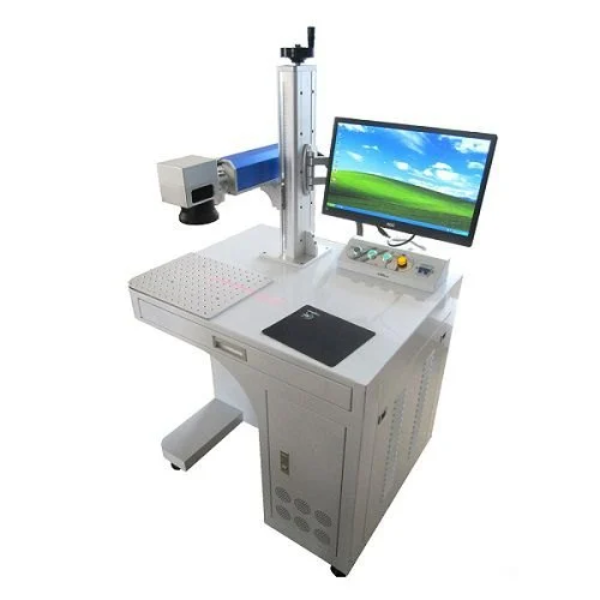
Batch Coding Machine: A Complete Guide for Packaging, Printing, and Product Identification A batch coding machine is one of the most useful tools in modern packaging and manufacturing. It helps businesses print batch numbers, manufacturing dates, expiry dates, MRP, barcode, QR code, and other important details on products and packaging materials. This makes products easier to trace, helps maintain compliance, and improves brand professionalism. What Is a Batch Coding Machine? A batch coding machine is a printing device used to mark essential information on cartons, pouches, labels, bottles, jars, and other packaging surfaces. It is commonly used in industries where product identification and traceability are important. The machine can print on both porous and non-porous materials depending on the type of coding technology used. Businesses use batch coding machines to print details such as batch number, lot number, manufacturing date, expiry date, serial number, logo, barcode, and QR code. These details help distributors, retailers, and customers identify the product quickly and accurately. In many industries, batch coding is also a legal requirement. Why Batch Coding Matters Batch coding is more than just a printing process. It plays a major role in quality control, inventory management, and product authenticity. When a product has a proper batch code, it becomes easier to track it through the supply chain and identify it if there is any issue later. For manufacturers, batch coding improves internal control and helps in reducing errors. For customers, it creates trust because the product appears more professional and reliable. In sectors like food, beverages, pharmaceuticals, cosmetics, chemicals, and FMCG, batch coding is essential for safety and compliance. It also helps in preventing counterfeiting and product misuse. Types of Batch Coding Machines Different businesses need different types of coding solutions. The right machine depends on the product material, production speed, and printing requirement. Contact coding machines print by touching the surface. Non-contact coding machines print without touching the product. Manual or hand-operated machines are suitable for small production runs. Semi-automatic machines are used where feeding and collecting are partly manual. Automatic or online machines work with conveyor systems and are ideal for high-speed production lines. Among these, non-contact coding systems like inkjet printers, CIJ printers, TIJ printers, and laser coders are widely used in modern industries because they are fast, flexible, and suitable for continuous operations. Applications Across Industries Batch coding machines are used in a wide range of industries because almost every packaged product needs identification details. Food and beverage companies use them to print expiry dates and manufacturing dates. Pharmaceutical businesses use them for batch numbers and traceability. Cosmetic brands use them to mark product codes and packing dates. Packaging companies use batch coding machines on cartons, pouches, and labels. Bottle manufacturers, chemical producers, and FMCG brands also use them regularly. These machines are also useful for printing on metal, foil, paper, cardboard, plastic, glass, and ceramic surfaces depending on the model and ink technology. Features to Look For When choosing a batch coding machine, it is important to check the features that match your business needs. A good machine should provide clear printing, stable performance, and easy operation. Print quality should be sharp and readable. The machine should work on your required surface type. Printing speed should match your production line. The control system should be simple and user-friendly. Maintenance should be easy and affordable. Ink or consumable usage should be efficient. The machine should support different content types such as batch no., date, barcode, logo, and QR code. If your production is continuous, an online batch coding or conveyor-based system may be the best option. For smaller operations, a compact or handheld machine may be enough. Benefits for Manufacturers A batch coding machine offers many practical benefits for manufacturers and packaging businesses. It improves production speed and reduces manual effort. It also helps maintain uniformity in printing, which gives products a cleaner and more professional look. Another major benefit is reduced human error. Manual date stamping can lead to mistakes, smudging, or inconsistent printing. A machine-based system solves this problem and ensures every product is marked correctly. It also helps save time during large-scale production and supports business growth by making operations more efficient. Choosing the Right Machine The best batch coding machine depends on your product type, packaging material, and production volume. If you work with cartons and pouches, a coding machine with strong ink adhesion may be suitable. If you need very fast and clean printing on a conveyor line, CIJ or TIJ technology may be better. For industries that need high precision and low maintenance, laser marking can be a good option. If portability is important, handheld inkjet printers are often preferred. Before buying, it is wise to check printing speed, resolution, ink type, surface compatibility, and after-sales support. It is also helpful to choose a supplier who can guide you properly and provide service, spare parts, and consumables when needed. That ensures smooth operation and lower downtime. Maintenance Tips Proper care helps a batch coding machine perform well for a long time. Clean the print head regularly and use the recommended ink or consumables only. Avoid dust, moisture, and rough handling, especially in industrial environments. If the machine is used on a production line, check alignment and print settings frequently. Regular inspection helps prevent printing defects and keeps the output consistent. Operators should also be trained to handle the machine correctly to avoid unnecessary wear and tear. Conclusion A batch coding machine is an essential investment for any business that packs and sells products. It improves product identification, supports compliance, and adds professionalism to packaging. Whether you need to print dates, batch numbers, barcodes, or logos, the right coding machine can make your production process faster and more reliable. From small businesses to large manufacturing units, batch coding machines help create better traceability and smoother packaging operations. Choosing the right model based on your product and production needs will ensure long-term value and efficient performance.


This is your website preview.
Currently it only shows your basic business info. Start adding relevant business details such as description, images and products or services to gain your customers attention by using Boost 360 android app / iOS App / web portal.
Batch Coding Machine: A Complete Guide for Packaging, Printing, and Product Identification
2026-06-28T13:15:53
Batch Coding Machine: A Complete Guide for Packaging, Printing, and Product Identification A batch coding machine is one of the most useful tools in modern packaging and manufacturing. It helps businesses print batch numbers, manufacturing dates, expiry dates, MRP, barcode, QR code, and other important details on products and packaging materials. This makes products easier to trace, helps maintain compliance, and improves brand professionalism. What Is a Batch Coding Machine? A batch coding machine is a printing device used to mark essential information on cartons, pouches, labels, bottles, jars, and other packaging surfaces. It is commonly used in industries where product identification and traceability are important. The machine can print on both porous and non-porous materials depending on the type of coding technology used. Businesses use batch coding machines to print details such as batch number, lot number, manufacturing date, expiry date, serial number, logo, barcode, and QR code. These details help distributors, retailers, and customers identify the product quickly and accurately. In many industries, batch coding is also a legal requirement. Why Batch Coding Matters Batch coding is more than just a printing process. It plays a major role in quality control, inventory management, and product authenticity. When a product has a proper batch code, it becomes easier to track it through the supply chain and identify it if there is any issue later. For manufacturers, batch coding improves internal control and helps in reducing errors. For customers, it creates trust because the product appears more professional and reliable. In sectors like food, beverages, pharmaceuticals, cosmetics, chemicals, and FMCG, batch coding is essential for safety and compliance. It also helps in preventing counterfeiting and product misuse. Types of Batch Coding Machines Different businesses need different types of coding solutions. The right machine depends on the product material, production speed, and printing requirement. Contact coding machines print by touching the surface. Non-contact coding machines print without touching the product. Manual or hand-operated machines are suitable for small production runs. Semi-automatic machines are used where feeding and collecting are partly manual. Automatic or online machines work with conveyor systems and are ideal for high-speed production lines. Among these, non-contact coding systems like inkjet printers, CIJ printers, TIJ printers, and laser coders are widely used in modern industries because they are fast, flexible, and suitable for continuous operations. Applications Across Industries Batch coding machines are used in a wide range of industries because almost every packaged product needs identification details. Food and beverage companies use them to print expiry dates and manufacturing dates. Pharmaceutical businesses use them for batch numbers and traceability. Cosmetic brands use them to mark product codes and packing dates. Packaging companies use batch coding machines on cartons, pouches, and labels. Bottle manufacturers, chemical producers, and FMCG brands also use them regularly. These machines are also useful for printing on metal, foil, paper, cardboard, plastic, glass, and ceramic surfaces depending on the model and ink technology. Features to Look For When choosing a batch coding machine, it is important to check the features that match your business needs. A good machine should provide clear printing, stable performance, and easy operation. Print quality should be sharp and readable. The machine should work on your required surface type. Printing speed should match your production line. The control system should be simple and user-friendly. Maintenance should be easy and affordable. Ink or consumable usage should be efficient. The machine should support different content types such as batch no., date, barcode, logo, and QR code. If your production is continuous, an online batch coding or conveyor-based system may be the best option. For smaller operations, a compact or handheld machine may be enough. Benefits for Manufacturers A batch coding machine offers many practical benefits for manufacturers and packaging businesses. It improves production speed and reduces manual effort. It also helps maintain uniformity in printing, which gives products a cleaner and more professional look. Another major benefit is reduced human error. Manual date stamping can lead to mistakes, smudging, or inconsistent printing. A machine-based system solves this problem and ensures every product is marked correctly. It also helps save time during large-scale production and supports business growth by making operations more efficient. Choosing the Right Machine The best batch coding machine depends on your product type, packaging material, and production volume. If you work with cartons and pouches, a coding machine with strong ink adhesion may be suitable. If you need very fast and clean printing on a conveyor line, CIJ or TIJ technology may be better. For industries that need high precision and low maintenance, laser marking can be a good option. If portability is important, handheld inkjet printers are often preferred. Before buying, it is wise to check printing speed, resolution, ink type, surface compatibility, and after-sales support. It is also helpful to choose a supplier who can guide you properly and provide service, spare parts, and consumables when needed. That ensures smooth operation and lower downtime. Maintenance Tips Proper care helps a batch coding machine perform well for a long time. Clean the print head regularly and use the recommended ink or consumables only. Avoid dust, moisture, and rough handling, especially in industrial environments. If the machine is used on a production line, check alignment and print settings frequently. Regular inspection helps prevent printing defects and keeps the output consistent. Operators should also be trained to handle the machine correctly to avoid unnecessary wear and tear. Conclusion A batch coding machine is an essential investment for any business that packs and sells products. It improves product identification, supports compliance, and adds professionalism to packaging. Whether you need to print dates, batch numbers, barcodes, or logos, the right coding machine can make your production process faster and more reliable. From small businesses to large manufacturing units, batch coding machines help create better traceability and smoother packaging operations. Choosing the right model based on your product and production needs will ensure long-term value and efficient performance.
2026-06-28T13:15:53


Submit Your Enquiry