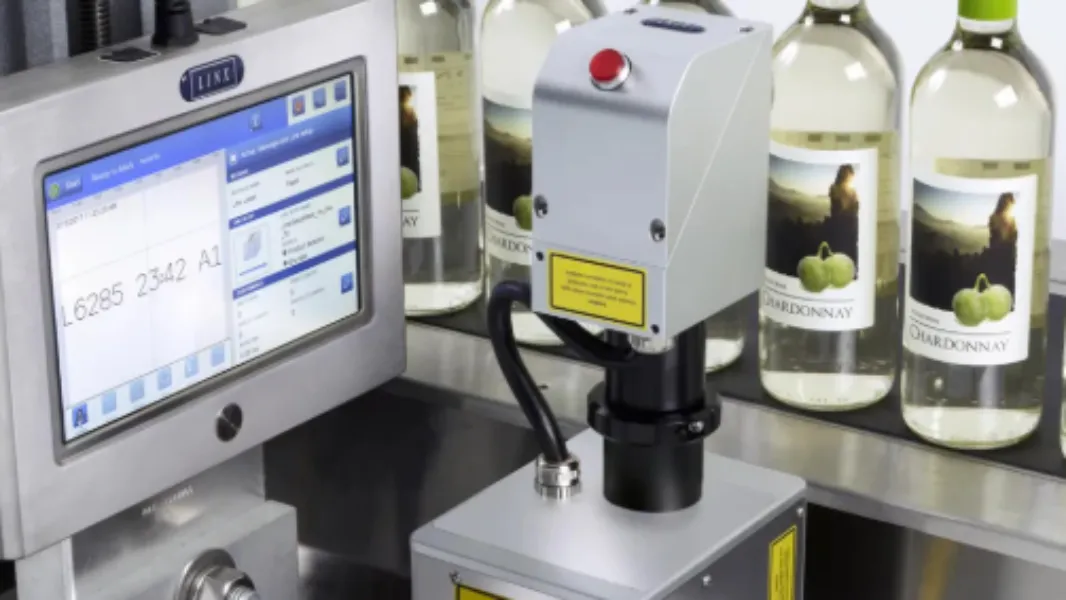
CIJ vs TIJ vs Laser Printer: Which Coding & Marking Machine Is Right for Your Business?
If you run a production line in South Delhi or Delhi NCR — food, pharma, cosmetics, cables, plastics, or FMCG packaging — you already know the pain: batch numbers that smudge, printers that jam mid-shift, or codes that a scanner simply can't read. Before you search 'batch coding printer near me' again, it helps to understand the three technologies actually available, and which one solves your specific problem.
Common Coding Problems Manufacturers Face
- Smudged or unreadable batch/date codes that fail retailer or FSSAI/regulatory checks
- Frequent printer downtime due to nozzle clogging or ink drying in the print head
- High ongoing consumable cost — ink, solvent, makeup fluid adding up every month
- Codes that don't stick on wet bottles, oily surfaces, plastic pouches, or metal parts
- Slow print speed that becomes a bottleneck on a fast-moving conveyor line
- Poor print quality on small cartons — barcodes or QR codes that scanners reject
- Needing a permanent, tamper-proof mark for compliance or anti-counterfeiting, but not knowing which machine gives that
Each of these points to a different printing technology being the right (or wrong) fit. Here's how to think about it.
Continuous Inkjet (CIJ) Printers
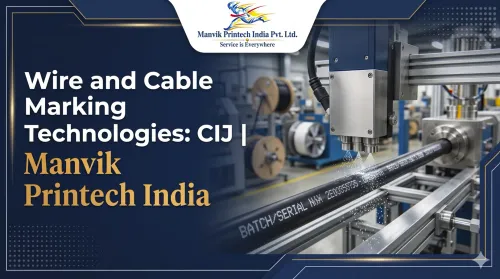
A CIJ printer sprays a continuous stream of tiny ink droplets that are electrically charged and deflected to form characters — unused ink is recirculated back into the system. This is the technology behind most 'date coding machines' seen on bottling and packaging lines across India.
Best for: high-speed lines, wet or curved surfaces (bottles, pouches, cables, pipes), small character printing (batch numbers, MRP, expiry dates).
Watch out for: ongoing consumable cost (ink + solvent + makeup fluid) and the need for periodic nozzle cleaning.
Thermal Inkjet (TIJ) Printers
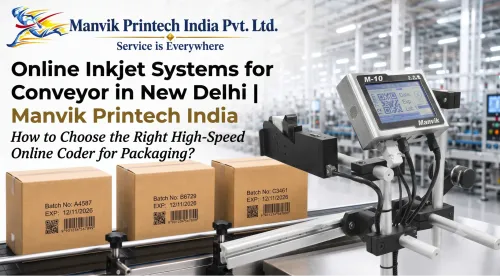
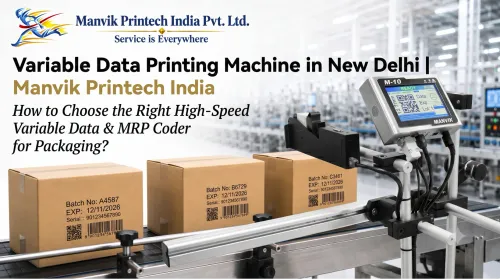
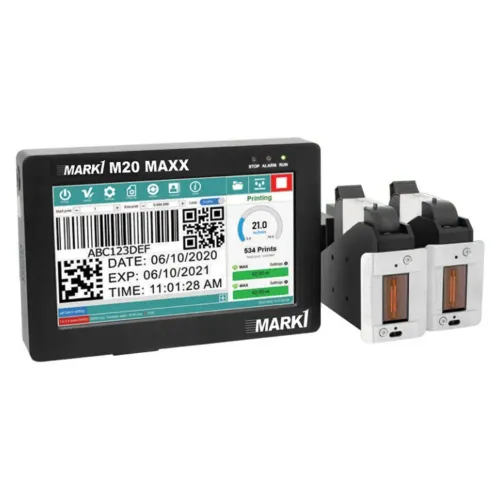
TIJ printers use heat to fire ink droplets from a sealed, cartridge-based print head — similar in concept to an office inkjet printer, but built for industrial use. There's no ink tank to refill or clean; you simply replace the cartridge.
Best for: high-resolution printing (crisp barcodes, QR codes, logos) on flat, porous surfaces like cartons, paper labels, and pharma boxes. Ideal where 'set-and-forget' simplicity matters more than raw speed.
Watch out for: cartridge cost at very high volumes, and it performs best on flat rather than curved surfaces.
Laser Marking Machines
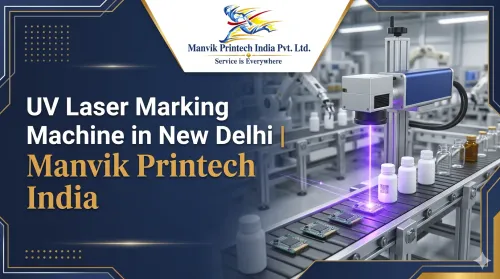
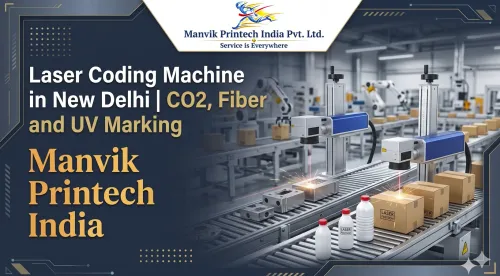
Instead of ink, a laser marking machine uses a focused beam of light to etch or discolour the surface of the product — creating a permanent, tamper-proof mark. CO₂ lasers suit paper, cardboard, and many plastics; fiber lasers are the standard for marking metal components.
Best for: permanent, non-removable codes for compliance and anti-counterfeiting; zero running consumables long-term; metal, glass, and rigid plastic parts.
Watch out for: higher upfront investment compared to entry-level CIJ or TIJ, though running costs are typically the lowest of the three over time since there is no ink or cartridge to buy.
Quick Comparison
FactorCIJTIJLaserBest surfaceCurved, wet, non-porousFlat, porous (cartons, paper)Metal, glass, rigid plasticPrint qualityGoodExcellent (up to 600 DPI)Excellent, permanentRunning costModerate (ink/solvent)Moderate (cartridges)Lowest (no consumables)Upfront costLowestLow-ModerateHighestMaintenanceRegular cleaning neededMinimalMinimal
How to Choose the Right Machine for Your Line
- Identify your surface: curved/wet bottle → CIJ; flat carton → TIJ; metal or glass needing permanence → Laser.
- Match your line speed: high-speed conveyor lines usually favour CIJ or laser; TIJ suits moderate-speed carton lines.
- Consider total cost of ownership, not just the purchase price — factor in consumables, spares, and service over 3-5 years.
- Check after-sales support and consumable availability locally — a machine is only as good as the service and spares backing it in Delhi NCR.
Get Expert Guidance — South Delhi & NCR
Manvik Printech India Private Limited supplies, installs, and services CIJ, TIJ, and laser marking machines for manufacturers across South Delhi, Okhla, Noida, and Delhi NCR, with genuine consumables and prompt after-sales support. If you're evaluating which coding and marking technology fits your product line, our team can walk you through a comparison based on your actual product samples.
Frequently Asked Questions
Which is cheaper to run — CIJ or laser marking?
CIJ has a lower upfront cost, but laser marking has no ongoing ink or solvent expense, so it often works out cheaper over 3-5 years of continuous use.
Can a TIJ printer print on plastic pouches?
TIJ works best on flat, porous surfaces like cartons and labels. For flexible plastic pouches and curved bottles, a CIJ printer is usually the better fit.
Do I need a laser printer for FSSAI or pharma compliance codes?
Not necessarily — CIJ and TIJ printers can meet most FSSAI/pharma batch-and-expiry coding needs. Laser is chosen specifically when a permanent, tamper-proof mark is required.
Where can I get CIJ, TIJ, and laser printers serviced in South Delhi?
Manvik Printech India Private Limited provides sales, installation, and servicing for all three technologies across South Delhi and NCR.
Keywords