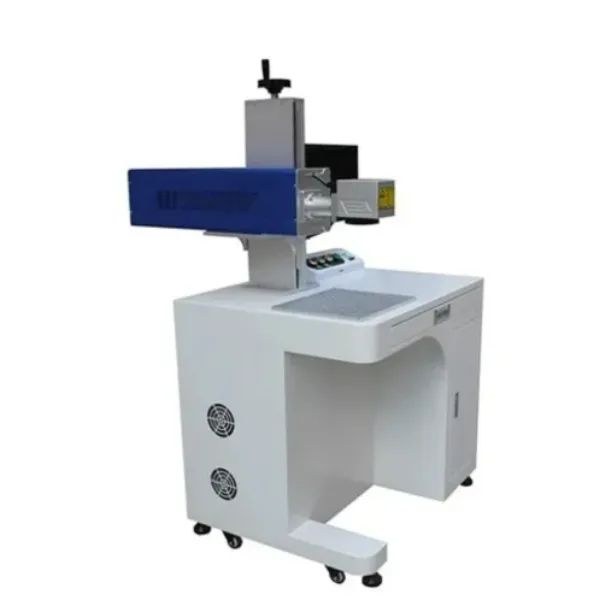
Laser Marking Machine in Delhi NCR: A Buyer's Guide to Fiber, CO2 and UV Lasers
If your production line in South Delhi, Okhla, or NCR needs a mark that never fades, never smudges, and never gets tampered with, you've likely already started searching for a 'laser marking machine near me.' Unlike inkjet coding, laser marking uses a focused beam of light to etch or discolour the surface of a product — creating a permanent, high-contrast code with zero ink, solvent, or cartridge cost. Here's what you need to know before you buy one.
Signs You've Outgrown Ink-Based Coding
- Codes wearing off or getting wiped away during handling, storage, or transport
- Rising monthly spend on ink, solvent, and cartridges that never seems to stop
- Regulatory or export audits flagging codes as insufficiently permanent or tamper-evident
- Counterfeiting or duplication concerns on high-value products or components
- Marking failures on metal, glass, or hard plastic parts that ink simply won't hold onto
- Downtime from clogged nozzles or dried-out ink systems in dusty industrial environments
- Need for a cleaner, 'no-consumable' process to reduce factory floor waste and maintenance
If two or more of these sound familiar, a laser marking machine is worth evaluating for your line.
How Laser Marking Works
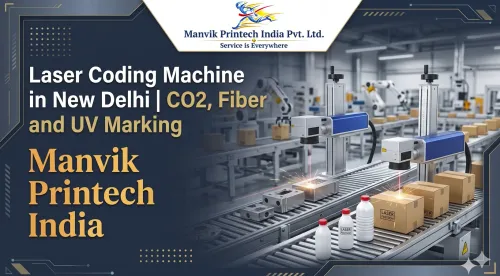
A laser marking machine directs a controlled beam of light onto the product's surface. Depending on the material, the beam either engraves the surface, causes a colour change (annealing), or removes a thin top layer to reveal contrast underneath. There's no ink, no drying time, and no consumable to reorder — the mark is created by light alone, making it inherently non-removable.
Which Type of Laser Do You Need?
Fiber Laser — Best for Metal
Fiber lasers deliver high power at a wavelength that metals absorb efficiently, making them the industry standard for marking stainless steel, aluminium, copper, and other metal components. They produce fast, deep, permanent marks and are widely used in automotive parts, electronics, tools, and industrial hardware — anywhere long-term traceability on metal matters.
CO2 Laser — Best for Packaging & Organic Materials
CO2 lasers work well on paper, cardboard, wood, leather, glass, and many plastics. This makes them a natural fit for the packaging, food, and consumer-goods industries, where cartons, glass bottles, and organic packaging materials need fast, cost-effective marking. They generally cost less upfront than fiber or UV systems.
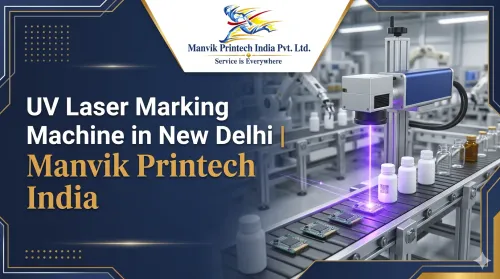
UV Laser — Best for Delicate or Heat-Sensitive Materials
UV lasers use a short wavelength 'cold marking' process that creates minimal heat, making them ideal for thin films, medical device packaging, electronics, and other surfaces that would be damaged or discoloured by a hotter laser. They deliver the finest detail of the three but sit at a higher price point.
Quick Comparison
FactorFiber LaserCO2 LaserUV LaserBest materialMetalPaper, cardboard, glass, plasticsThin film, electronics, delicate plasticsMark typeDeep, permanent engraveSurface engrave/etchFine, low-heat 'cold mark'Upfront costModerate-HighLowest of the threeHighestRunning costVery lowVery lowVery lowTypical lifeUp to ~100,000 hrsTens of thousands of hrsLong, needs careful handling
Why Manufacturers Are Switching to Laser Marking
- Zero consumables — no ink, solvent, or cartridges to reorder, reducing recurring cost
- Permanent, tamper-proof marks — essential for compliance, traceability, and anti-counterfeiting
- Cleaner packaging line — no ink spillage or contamination, useful for recyclable/food-grade packaging
- High-speed, non-contact marking that keeps up with fast production lines
- Low maintenance compared to ink-based systems that need regular nozzle cleaning
Choosing the Right Laser for Your Line
- Start with your material: metal parts point to fiber; cardboard/packaging points to CO2; delicate/heat-sensitive items point to UV.
- Check your required mark depth: deep, permanent engraving needs more power than a light surface mark.
- Factor in total cost of ownership: higher upfront cost is usually offset by years of zero consumable spend.
- Confirm local installation and service support — laser systems need proper calibration and occasional servicing, so a supplier present in Delhi NCR matters.
Laser Marking Machines — South Delhi & NCR
Manvik Printech India Private Limited supplies, installs, and services fiber, CO2, and UV laser marking machines for manufacturers across South Delhi, Okhla, Noida, and Delhi NCR — alongside CIJ and TIJ inkjet coding solutions. If you're unsure which laser is right for your product, our team can evaluate your material and marking requirement and recommend the right fit.
Frequently Asked Questions
Can a laser marking machine mark on plastic?
Yes — CO2 lasers handle many common plastics well, and UV lasers are often preferred for delicate or heat-sensitive plastic components where minimal thermal impact is required.
Is laser marking permanent?
Yes — since the laser alters the material's surface rather than depositing ink, the mark cannot be wiped, washed, or scratched off under normal handling, making it suitable for compliance and anti-counterfeiting use.
Which laser is best for metal parts?
Fiber lasers are the standard choice for metal marking due to their wavelength being efficiently absorbed by metallic surfaces, producing fast, deep, high-contrast marks.
Where can I buy a laser marking machine in South Delhi?
Manvik Printech India Private Limited supplies and services fiber, CO2, and UV laser marking machines across South Delhi and Delhi NCR.
Keywords